 how-to
Mobile Mechanic for Commercial Trucks: 2026 Guide
Table of Contents
- Mobile Mechanic for Commercial Trucks: On-Site Repair That Keeps Fleets Moving
- Mobile Truck Repair: What Gets Fixed On-Site vs. What Needs a Shop
- On-Site Truck Diagnostics: How Mobile Mechanics Find the Problem Fast
- Commercial Truck Roadside Assistance: 24/7 Availability and Realistic Response Times
- Truck Repair Cost: What Drives Your Mobile Service Bill
- How to Choose and Vet a Mobile Mechanic for Your Fleet
- Preventive Maintenance That Cuts Roadside Breakdowns
- Conclusion: Matching Mobile Service to Your Fleet's Reality
- Frequently Asked Questions
Last Updated: October 16, 2026
Mobile Mechanic for Commercial Trucks: On-Site Repair That Keeps Fleets Moving
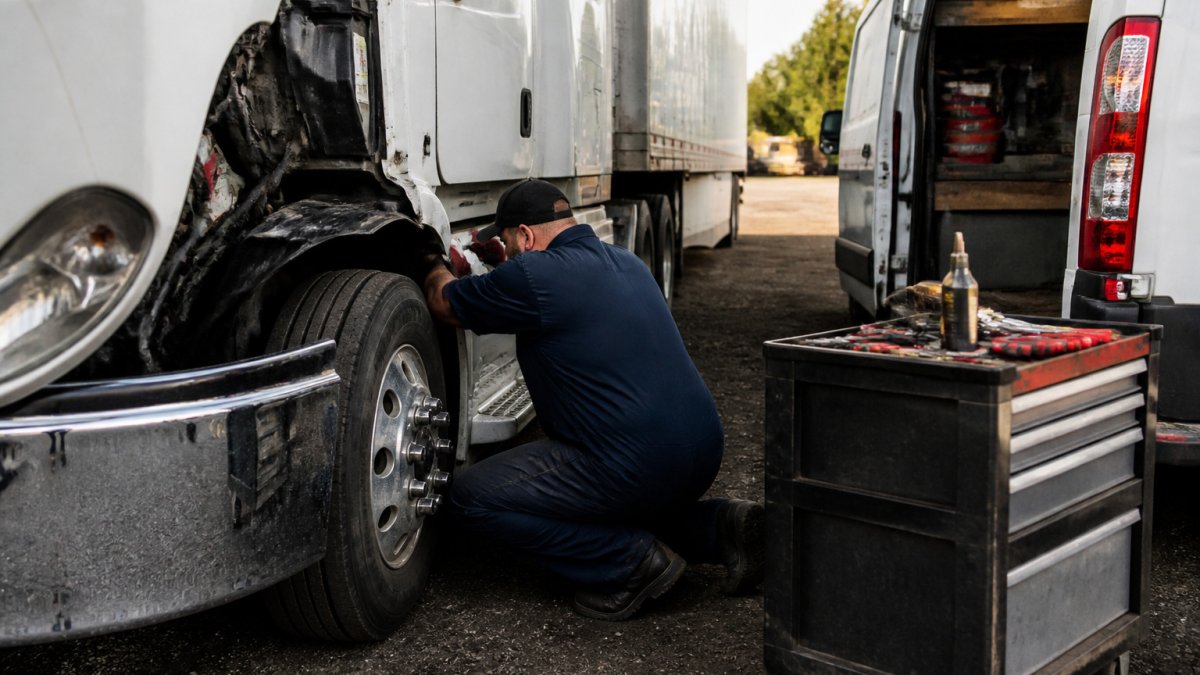
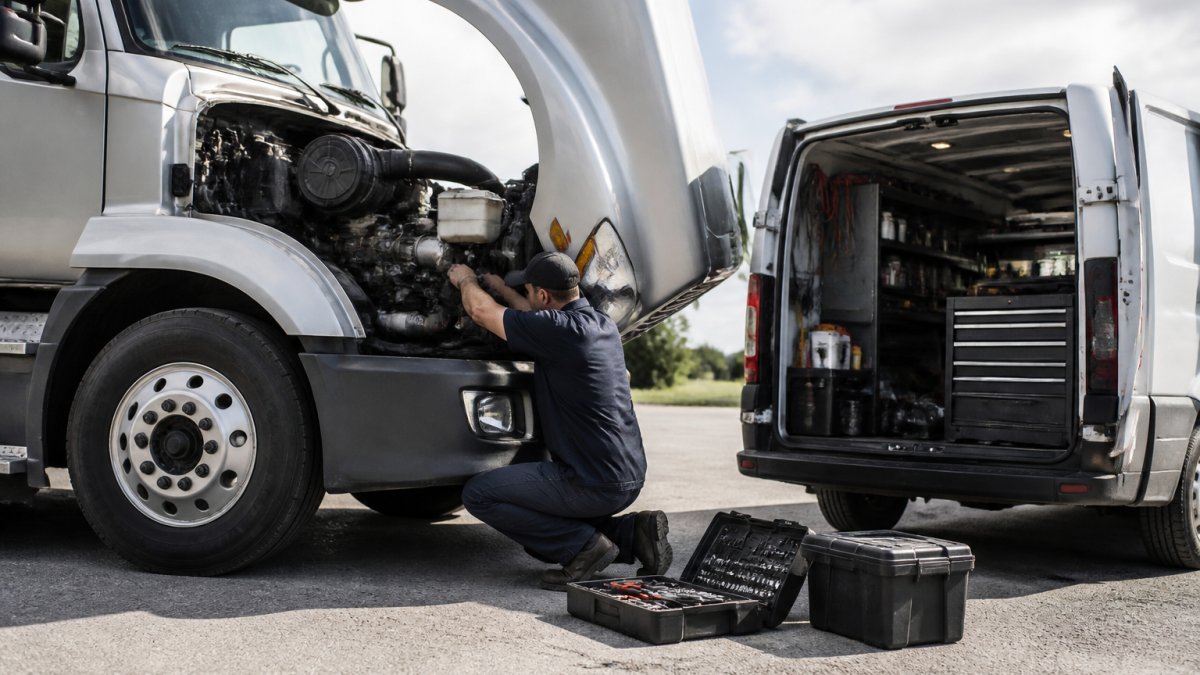
A mobile mechanic for commercial trucks brings tools, diagnostic equipment, and parts to your vehicle instead of requiring you to bring it to a shop. This guide from Ryan's Mobile Repair LLC covers what gets fixed on-site, what still needs a shop, how to vet a provider, and how to prevent breakdowns.
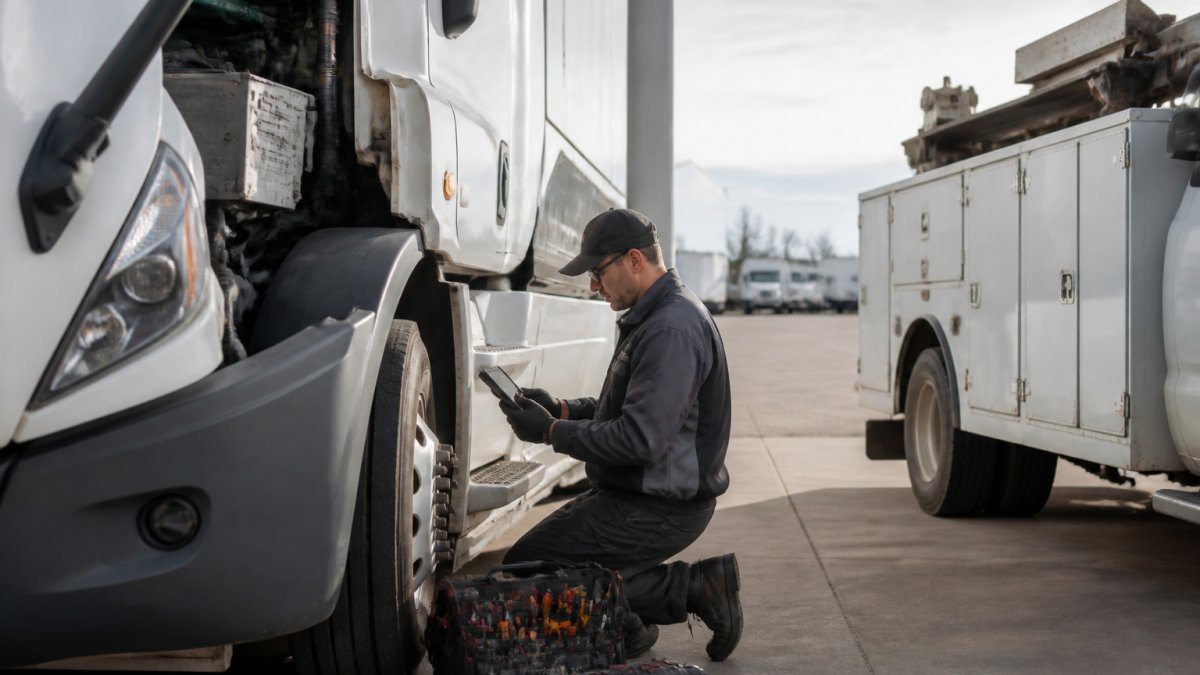
The math behind mobile service is simple. According to Federal Motor Carrier Safety Administration guidance on roadside inspections, unplanned roadside events create cascading delays that affect drivers, delivery windows, and compliance records.
Most fleet managers treat mobile repair as purely an emergency service. The biggest savings come from scheduled mobile maintenance, where a technician services several trucks at your yard on a fixed day each month.
Mobile Truck Repair: What Gets Fixed On-Site vs. What Needs a Shop
Mobile truck repair covers most routine and mid-level failures, but not every job belongs in a parking lot. Knowing the line saves money and prevents unsafe repairs.
Repairs Mobile Mechanics Handle On-Site
A well-equipped mobile unit handles most day-to-day commercial vehicle failures:
- Brake repair and replacement, including air brake adjustments, pad and shoe replacement, and slack adjuster service
- Diesel engine diagnostics, including fault code reading, sensor replacement, and fuel system troubleshooting
- Battery, alternator, and starter issues, which are among the most common no-start causes
A skilled diesel mechanic with a stocked service truck can complete most of these in one visit.
When a Shop or Tow Is the Safer Call
Some failures need a lift, a bay, or specialized tooling that cannot travel. An honest provider will say so rather than attempt a repair that leaves you stranded again.
- Major engine work such as head gasket failure, injector cup replacement, or internal engine damage
- Transmission and clutch replacement, which require lifting and controlled conditions
- Frame, structural, or aftertreatment system repairs needing diagnostic bays and calibration equipment
On-Site Truck Diagnostics: How Mobile Mechanics Find the Problem Fast
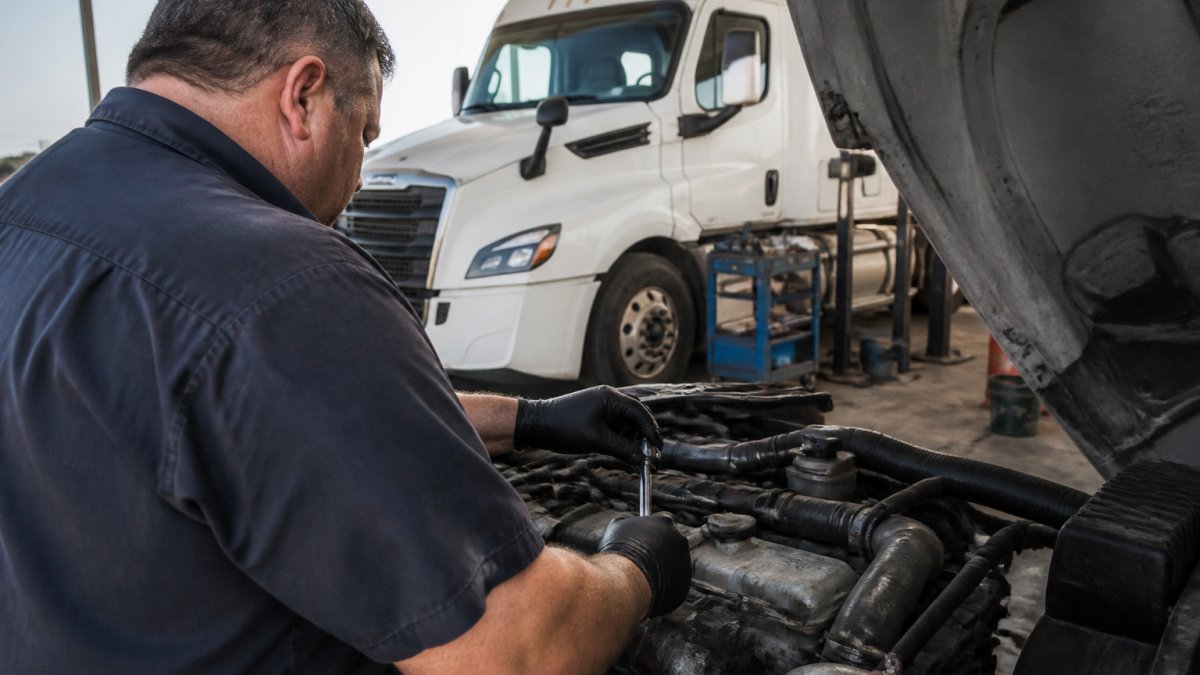
On-site truck diagnostics rely on the same electronic tools a shop uses, brought to your vehicle. Modern commercial trucks run on engine control modules, ABS modules, and aftertreatment sensors that log fault codes.
A fault code might point to an oxygen sensor when the real problem is a wiring harness chafed against the frame.
Diagnostics quality varies enormously. Ask whether the technician carries OEM-level software for your engine make, or only a generic scan tool.
Commercial Truck Roadside Assistance: 24/7 Availability and Realistic Response Times
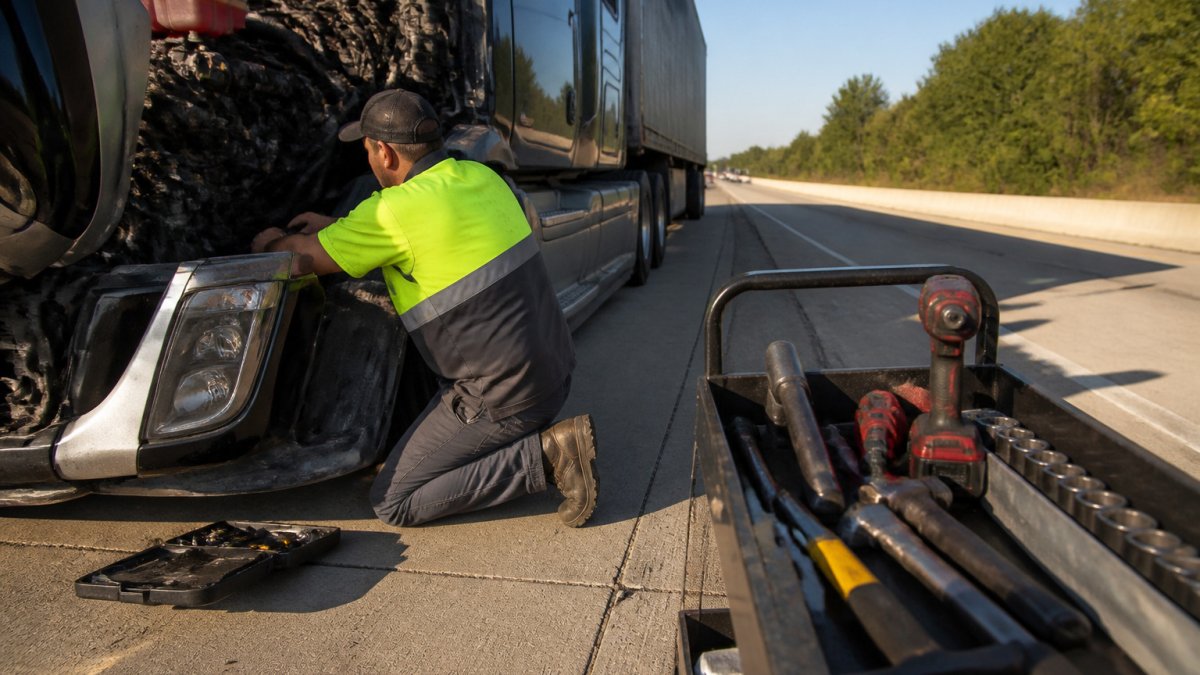
Commercial truck roadside assistance works best when availability and response time are stated in plain terms before you need them. "24/7 service" means someone answers the phone at 2 AM, not that a technician is 20 minutes away.
Response time depends on location, time of day, and call queue. A truck on a rural highway shoulder at 2 AM waits longer than one in a fleet yard during business hours.
What to Have Ready Before You Call
The biggest factor in how fast a mobile unit reaches your truck is how much information you hand over on the first call. Have this ready:
- Vehicle identification: year, make, engine make and model, and the last six of the VIN. Engine make matters more than truck make for parts and software.
- Unit number and plate: so the technician can match the truck to your fleet records.
- Exact location: mile marker, exit number, cross street, or a dropped pin. "On I-80 near the scales" is not enough.
How Dispatch and Arrival Typically Work
Established providers typically follow this pattern:
- Intake call, dispatcher captures the details above and opens a work order.
- Triage, the provider decides whether the job is a mobile repair or a tow, based on the symptom description.
- Estimate, you receive a call-out fee and an estimated labor range before the unit rolls.
- Assignment, the nearest available unit is dispatched; you get an ETA window, not a single number.
- Arrival and diagnosis, the technician confirms the fault on-site and calls you with a firm repair estimate for approval.
- Repair or tow decision, if the job exceeds on-site capability, the provider coordinates the tow rather than leaving you to find one.
Preparing a Safe Work Area
A mobile technician cannot safely work in live traffic. Before the unit arrives, the driver should:
- Set out triangles or flares per federal and state requirements for the vehicle type and road.
- Move the truck as far onto the shoulder or into a lot as conditions allow.
- Keep the driver in a safe position, behind a barrier or well off the shoulder, not standing beside the truck.
Getting an Honest Response Commitment
To get an honest picture before you sign anything:
- Ask for a realistic response window for your specific locations, not a general promise.
- Confirm whether dispatch is staffed around the clock or routed to an answering service.
- Ask how many mobile units cover your area and how they're assigned.
For fleets, the smarter play is scheduled on-site maintenance that prevents most emergency calls. Emergency roadside assistance is your safety net, not your maintenance plan.
Truck Repair Cost: What Drives Your Mobile Service Bill
Truck repair cost on a mobile call is built from predictable components, and understanding them lets you compare quotes fairly. Providers structure bills differently, so a low headline rate can hide fees that appear later.
| Cost Component | What It Covers | What to Ask |
|---|---|---|
| Call-out or service fee | Travel to your location | Is it flat or mileage-based? Is there a minimum? |
| Labor rate | Technician time on the job | Hourly or job-based? Is there a minimum billable time? |
| Parts | Replacement components | Markup percentage? Are OEM or aftermarket used? |
| After-hours premium | Nights, weekends, holidays | How much extra, and when does it start? |
| Diagnostic fee | Time to identify the fault | Waived if you approve the repair? |
| Environmental or disposal fee | Fluids, filters, tires | Charged per job or per item? |
Why Mobile Pricing Is Not Published as a Flat Rate
Pricing depends on location, repair type, and time of day, so most providers don't publish flat rates. That doesn't mean accepting a blank check. Demand a written estimate before work begins, with the call-out fee, labor rate, and parts markup stated separately.
A common pattern is a call-out fee covering the first hour of travel plus a minimum labor charge, with additional time billed in increments.
After-Hours and Emergency Rates
After-hours work is where bills surprise fleet managers most. A 2 AM holiday call can carry a premium on top of the standard rate. Ask:
- What hours count as after-hours, and is the premium a flat add-on or a multiplier?
- Does the premium apply to the call-out fee, the labor rate, or both?
- Is there a separate holiday rate?
Payment, Approval, and Fleet Accounts
Payment terms matter as much as the rate. Before you commit, confirm:
- Accepted payment methods, card, ACH, check, or account billing.
- Approval thresholds, can the driver approve work up to a set dollar amount, or does every estimate route to the fleet manager? Set this in writing so a driver is not approving a four-figure repair at 3 AM without authority.
- Fleet account terms, net 15 or net 30, and whether a purchase order is required.
Comparing Quotes Fairly
Two quotes for the same repair are rarely apples to apples. Normalize them by asking each provider for the same four numbers: call-out fee, hourly labor rate, parts markup percentage, and after-hours premium.
Ryan's Mobile Repair LLC provides upfront estimates before work begins. Get the estimate in writing, confirm what triggers additional charges, and ask whether the diagnostic fee is credited toward the repair.
How to Choose and Vet a Mobile Mechanic for Your Fleet
Vetting a mobile mechanic comes down to credentials, equipment, insurance, and communication. Run every candidate through the same checklist before handing them a truck.
- Ask for technician certifications and experience with your specific engine makes
- Confirm the provider carries liability insurance and can show a certificate
- Ask what warranty or guarantee covers their work and parts
- Verify their on-site repair limits and when they'd recommend a tow
If you've used the same shop for years, they know your trucks.
Documentation is where many mobile providers fall short. Ask how they record repairs, what they hand you after each job, and whether that record feeds into your existing fleet maintenance tracking.
Preventive Maintenance That Cuts Roadside Breakdowns
Preventive maintenance is the most effective way to reduce roadside breakdowns, and the service most fleets underuse. Most failures that strand a truck gave warning first: a brake needing adjustment, a battery losing cranking amps, a coolant leak that started small.
A practical preventive schedule for commercial vehicles includes:
- Brake inspection and adjustment at manufacturer-recommended intervals
- Fluid checks and top-offs, including coolant, oil, and DEF
- Battery and charging system testing, especially before seasonal temperature swings
- Tire pressure and tread checks, which affect both safety and fuel economy
The advantage of mobile preventive maintenance is that it happens at your yard, on your schedule. Instead of sending each truck to a shop and losing it for a day, a technician services the fleet in place, often the difference between a maintenance program that runs and one that gets skipped.
Conclusion: Matching Mobile Service to Your Fleet's Reality
Every fleet's downtime cost is different, and so is the right mix of emergency and scheduled service.
That's the problem Ryan's Mobile Repair LLC is built to solve. We bring mobile service directly to your location, operate around the clock, provide upfront estimates before work starts, and offer fleet maintenance programs for businesses running multiple commercial vehicles.
Get started with Ryan's Mobile Repair LLC and keep your fleet moving instead of waiting.
Frequently Asked Questions
How much does a mobile mechanic for a commercial truck cost?
Pricing depends on the repair type, parts, travel distance, and time of day. Mobile service often includes a call-out or trip fee on top of labor and parts. Because rates vary by provider and job, ask for an upfront estimate before work begins. Ryan's Mobile Repair LLC provides upfront estimates and payment plans, so you know the expected truck repair cost before the technician arrives.
What repairs can a mobile truck mechanic perform on-site?
Most mobile mechanics handle brake repair and replacement, alternators, starters, batteries, belts, hoses, air system leaks, tire-related issues, and on-site truck diagnostics for diesel and gas engines. Some also do trailer repair and light engine troubleshooting. Major engine overhauls, transmission rebuilds, and frame work usually require a shop because they need lifts and specialized equipment.
When should a commercial truck be towed instead of repaired roadside?
Towing is the safer choice when the truck has structural damage, a seized engine, a failed transmission, or a brake failure that cannot be corrected on-site. It is also necessary if the vehicle is blocking traffic or creating a safety hazard. A mobile mechanic can assess the situation and tell you whether an on-the-spot repair is realistic or if a tow to a shop is the better option.
How quickly can a mobile mechanic reach a broken-down commercial truck?
Response time depends on your location, traffic, and technician availability. Many providers offer 24/7 service and can dispatch a roadside mechanic within a reasonable window, but exact times vary. When you call, share your location, vehicle type, and symptoms so the dispatcher can give you a realistic arrival estimate and send the right equipment.