 how-to
Is Mobile Fleet Repair Reliable? A 2026 Guide
Table of Contents
- How Mobile Fleet Repair Actually Works
- Mobile Mechanic Qualifications: What Credentials to Verify
- The Mobile Mechanic Inspection Checklist: What a Reliable Provider Checks
- When to Use a Mobile Mechanic vs. a Shop
- Reliability by Repair Type and Job Complexity
- Warranties, Guarantees, and Accountability
- Measuring Mobile Fleet Repair Reliability With Fleet KPIs
- Conclusion
- Frequently Asked Questions
Last Updated: October 19, 2026
How Mobile Fleet Repair Actually Works
Is mobile fleet repair reliable? Yes, for most routine and mid-level jobs, a well-run mobile fleet repair service is as dependable as a shop visit, and often faster. The catch is that reliability depends on the provider, not the model. At Ryan's Mobile Repair LLC, we built our service around one idea: bring the shop to the vehicle.
Here is how the model works in practice.
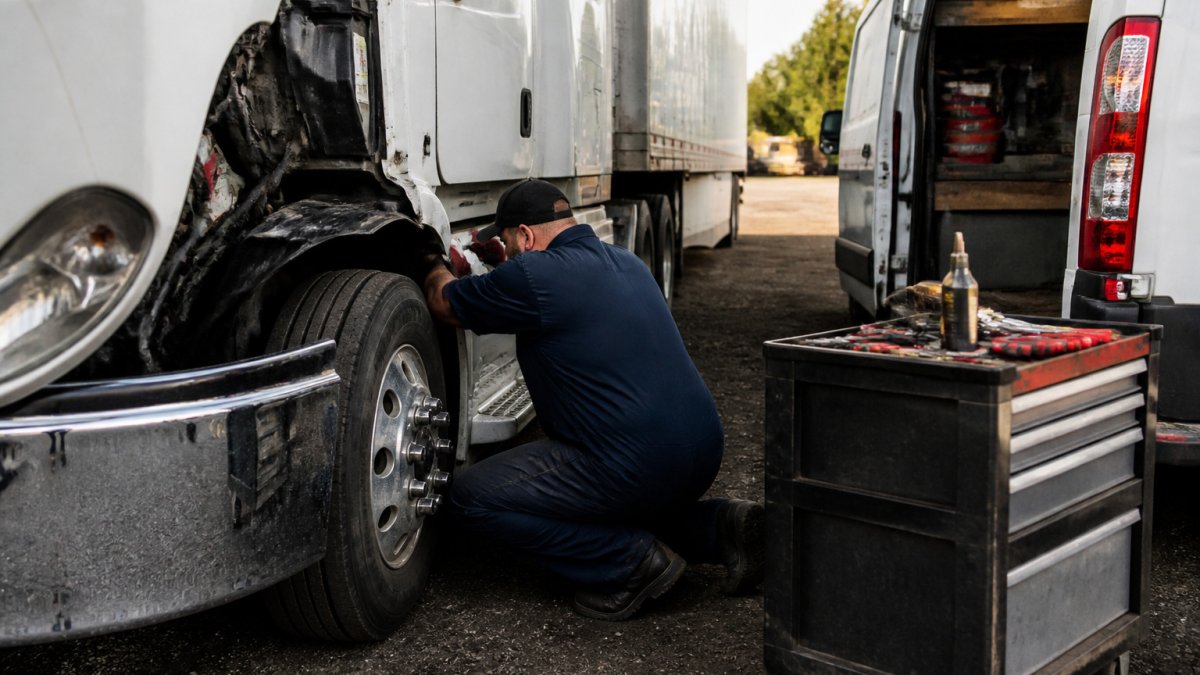
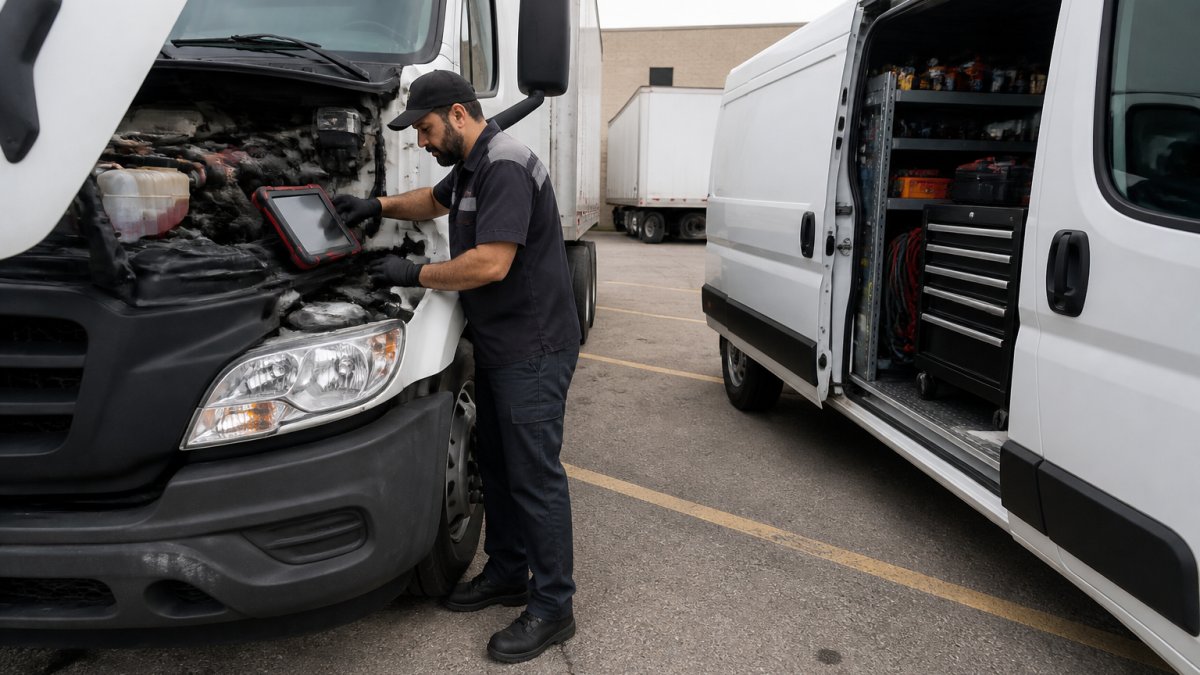
A mobile mechanic arrives at your business location in a stocked service van. The van carries tools, diagnostics gear, and common parts. The technician runs on-site diagnostics, gives you a written estimate, and does the repair in your lot or driveway. No towing. No shop queue.
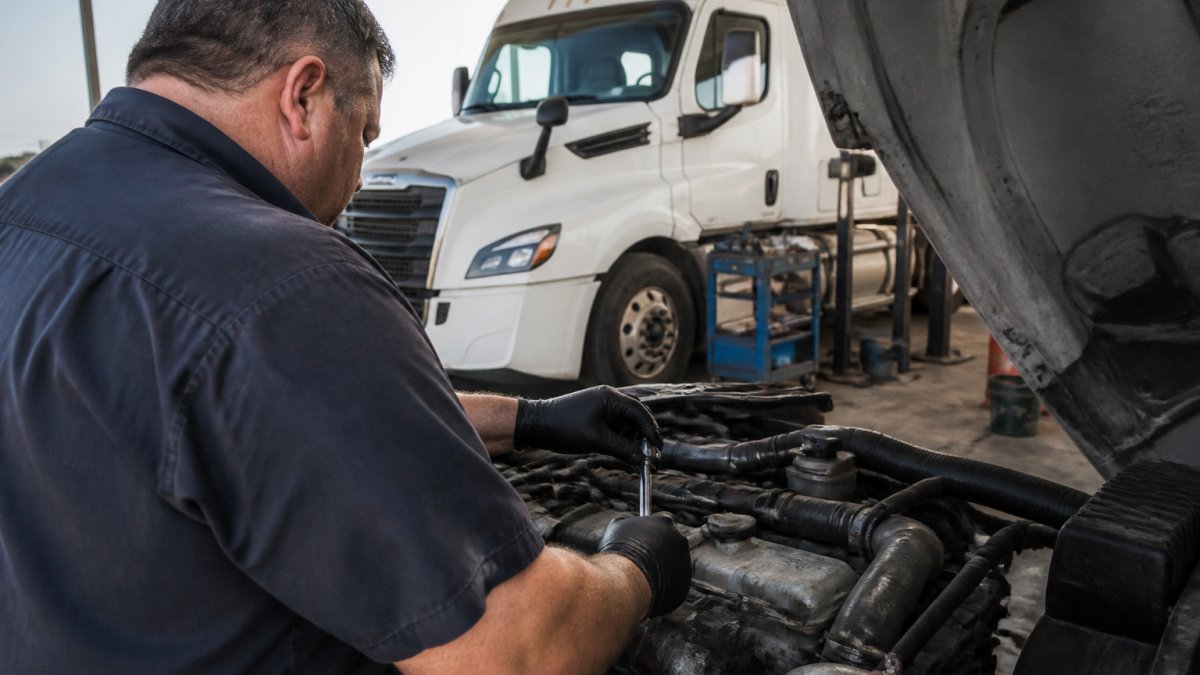
The trade-off is real. Mobile units handle brakes, starters, alternators, batteries, belts, hoses, fluid services, air conditioning service, and system recharges well. Heavy engine or transmission overhauls usually still need a shop with a lift and a bay.
That is the honest split. Mobile wins on speed and convenience. A shop wins on the heaviest jobs. Knowing which is which is the whole game.
Mobile Mechanic Qualifications: What Credentials to Verify
Ask for credentials before you book, not after. A reliable mobile mechanic should show proof of training, insurance, and diagnostic capability. Many fleets skip this step and pay for it later.
Use this checklist when you vet a provider:
- Current business license and legal entity name
- Proof of liability insurance
- Technician certifications, such as ASE credentials
- Diagnostic software for your vehicle makes and models
- Written estimate policy before any work starts
- Warranty terms in writing
- References from other commercial fleets
A common mistake is treating a mobile mechanic like a roadside helper. Commercial vehicle work needs a certified technician who understands fleet vehicles, not just cars. Ask what happens if the job turns out bigger than expected. A good provider tells you up front whether they can finish on-site or hand it to a shop.
The Mobile Mechanic Inspection Checklist: What a Reliable Provider Checks
A trustworthy provider follows a repeatable inspection checklist every visit, and, more importantly, records what they found. The checklist itself is table stakes. The documentation is what separates a dependable provider from a guesser. Here is what a solid on-site inspection covers, and what a reliable technician should be writing down for each line item.
- Battery and charging system, load test result, measured voltage, and whether the battery passed or was flagged for replacement.
- Brakes, pad thickness in thirty-seconds of an inch, rotor thickness against the manufacturer's minimum, and brake fluid condition.
- Tires, tread depth in thirty-seconds, cold pressure versus the placard spec, and any sidewall damage noted.
- Belts and hoses, visible cracking, glazing, or softness, with the part number of anything replaced.
- Fluids, level and condition for engine oil, coolant, transmission fluid, brake fluid, and DEF where applicable.
- Lights and safety equipment, every lamp, reflector, and required safety item checked and noted as pass or fail.
- Diagnostic scan, stored, pending, and permanent fault codes captured before and after the repair, with the scan tool and software version logged.
- Air conditioning, vent temperature, static and operating pressures, and refrigerant added by weight.
Each item gets logged on a written inspection sheet or in a fleet maintenance platform. That record matters for three reasons. First, it builds a maintenance schedule you can actually track instead of guessing when the last brake job happened. Second, it gives you documentation for safety and compliance reviews, inspectors and insurers increasingly want to see dated, itemized maintenance history, not a shoebox of receipts. Third, it protects you in a dispute: if a component fails two weeks after a visit, the recorded measurement shows whether it was already near the limit.
What most guides miss is the paperwork side. A reliable provider hands you a written record of every visit, inspection results, parts used with part numbers, labor performed, and the technician's name and certification number. That paper trail is your proof of preventive maintenance when an auditor, insurer, or resale buyer asks. Ask any provider to show you a sample completed inspection report before you book. If they cannot produce one, they are not documenting their work.
When to Use a Mobile Mechanic vs. a Shop
Use a mobile mechanic for scheduled maintenance, diagnostics, and most mid-level repairs. Use a shop for major engine or transmission work that needs a lift and a bay. That single rule covers most decisions.
Here is the quick decision guide:
| Situation | Best Choice | Why |
|---|---|---|
| Routine preventive maintenance | Mobile | No downtime, done at your lot |
| Brakes, batteries, belts, hoses | Mobile | Common parts, fast turnaround |
| Diagnostics and fault codes | Mobile | On-site scan, no tow needed |
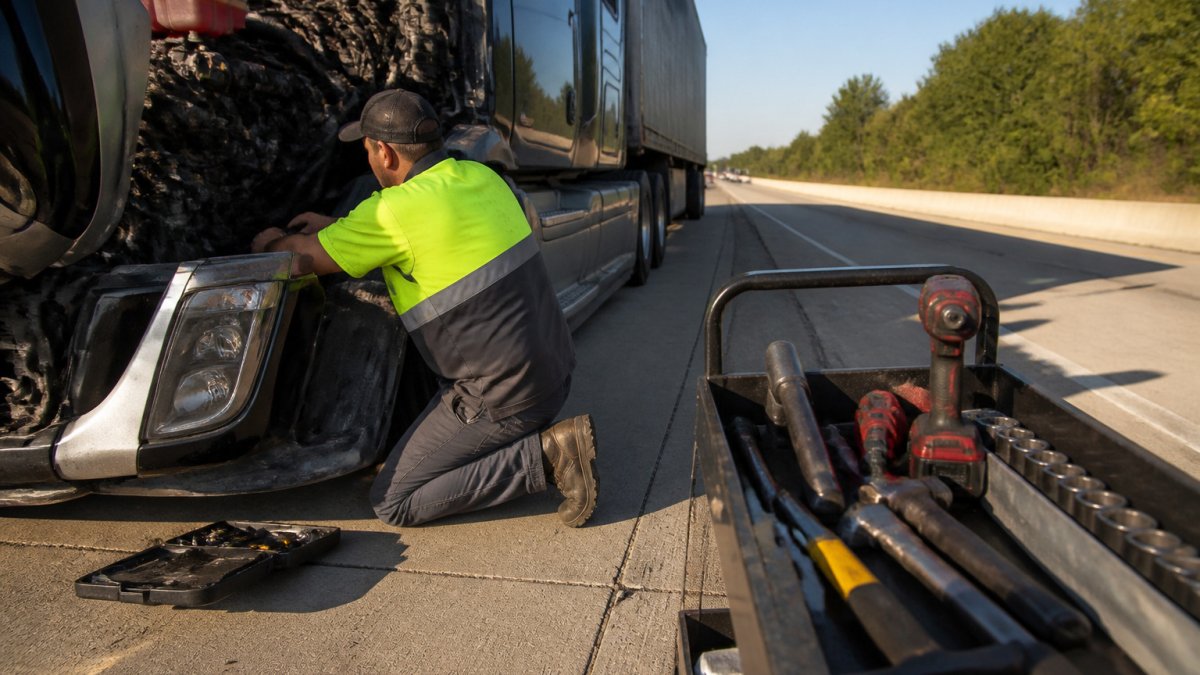
| Emergency breakdown at 2 AM | Mobile | Roadside help, return to service |
| Major engine or transmission overhaul | Shop | Needs lift and full bay |
| Warranty or recall work | Shop | Dealer or OEM requirement |
The convenience factor is the big one. Repairs at your business location mean vehicles stay available. No towing costs. No waiting in a repair shop line. For a fleet manager, that is uptime you can bank.
We recommend a simple test: if the job needs a lift or a full teardown, send it to a shop.
Reliability by Repair Type and Job Complexity
Reliability is not one number. It depends on the repair. Simple jobs done on-site hold up as well as shop work. Complex jobs are where the model strains.
Here is how we would rate it:
- High reliability: batteries, brakes, belts, hoses, fluid services, diagnostics, air conditioning service
- Medium reliability: starters, alternators, suspension components, some electrical work
- Lower reliability on-site: engine internals, transmission rebuilds, major structural work
The pattern is clear. The more the job depends on heavy equipment and a controlled bay, the more a shop makes sense. The more it depends on skill and good parts, the more mobile holds its own.
A dependable provider knows their limits. They will tell you when a job needs a shop rather than force it in a parking lot. That honesty is a reliability signal, not a weakness.
Warranties, Guarantees, and Accountability
A written warranty is the clearest proof of accountability, but "we stand behind our work" is not a warranty. Reliable mobile fleet repair comes with specific, enforceable terms: what is covered, for how long, how a claim is filed, and who is liable if something goes wrong on your property.
Parts versus labor coverage. Most providers warranty the part itself for the manufacturer's period and their own labor for a shorter window, commonly 90 days to 12 months on labor, depending on the provider and the job. Ask for both numbers separately.
What voids the warranty. Read the exclusions. Common ones include customer-supplied parts, damage from a separate failure, continued operation after a warning, and modifications by another shop. None of these are unreasonable, but you need to know them before the repair, not after.
Claim process and turnaround. Ask how a warranty claim is filed, who decides whether it is covered, and how fast a re-repair is scheduled. A provider who cannot describe the process in two sentences does not have one.
Liability on your property. Mobile work happens in your lot. Confirm the provider carries general liability and commercial auto insurance, and ask for the certificate of insurance naming your company as certificate holder.
Documentation and follow-up. Every visit should produce an invoice with parts numbers, labor hours, the technician's name and certification number, and the warranty terms printed on it. A reliable provider also follows up, a call or message a few days after a major repair to confirm the fault has not returned.
Ask these questions before you sign:
- What does the warranty cover, parts, labor, or both, and for how long?
- What voids the warranty, and is the exclusion list in writing?
- Who is liable for damage at our facility, and can we get a certificate of insurance?
- What is the process if a repair fails, and how fast is the re-repair scheduled?
- Will the invoice show part numbers, labor hours, and warranty terms?
Customer trust is built on this. A provider with a written guarantee and insurance is telling you they stand behind the work. A provider who dodges the question is telling you something else.
Measuring Mobile Fleet Repair Reliability With Fleet KPIs
You cannot manage reliability you do not measure. Track a few fleet KPIs and the picture becomes clear fast. Fleet managers who log these numbers know within a quarter whether a provider is dependable.
Track these metrics:
- First-time fix rate: how often the job is done right the first time
- Response time: how fast the technician arrives
- Repair turnaround: hours from arrival to return to service
- Vehicle downtime: total hours a vehicle is out of service
- Fleet uptime: the share of vehicles available each day
- Repeat repair rate: how often the same fault comes back
Compare these numbers across providers. A provider with a high first-time fix rate and low repeat repair rate is reliable. One with slow response and frequent callbacks is not, no matter how friendly the service call was.
Many fleets also use maintenance software to log visits and flag due service. A reliable provider fits into that system and hands over clean records you can load in.
Conclusion
The real challenge is not whether mobile fleet repair can work. It is finding a provider who proves it does, with credentials, written warranties, and clean repair records. That is where most fleets get stuck.
At Ryan's Mobile Repair LLC, we come to your business location, open 24/7, with upfront estimates and fleet maintenance plans built for commercial vehicles. Our team handles on-site diagnostics, preventive maintenance, and emergency repair, and we put our terms in writing so you know exactly where you stand.
Get started with Ryan's Mobile Repair LLC and keep your fleet on the road, not in a shop line.
Frequently Asked Questions
How can I verify a mobile fleet repair provider's qualifications?
Ask for ASE certification numbers and check them in the ASE technician database. Confirm the provider carries general liability and garage-keepers insurance, and request a certificate of insurance naming your company. Verify the business registration with your state, then read recent customer reviews for patterns around missed appointments or repeat repairs. A provider who answers these requests without hesitation is usually the one worth a trial service call.
What types of fleet repairs can a mobile mechanic handle?
Most mobile mechanics handle preventive maintenance, brake jobs, battery and alternator replacement, belt and hose work, diagnostics, fluid services, and light engine repairs on-site. Air conditioning service and system recharge are common. Major engine overhauls, transmission rebuilds, and frame work usually require a shop with a lift and specialized tooling. Ask the provider upfront which jobs they complete on-site and which they refer out so you can plan around it.
When should a fleet vehicle be taken to a repair shop instead?
Send the vehicle to a shop when the job needs a lift, alignment rack, or major component removal, such as transmission work, frame straightening, or heavy engine teardown. Also use a shop when the diagnosis is unclear after on-site diagnostics or when the repair requires a manufacturer-specific programming tool the mobile unit does not carry. A reliable mobile provider will tell you when a job is beyond on-site scope rather than attempt it in your lot.
How can fleet managers assess the quality of a mobile repair?
Track first-time fix rate, average response time, and vehicle downtime per repair over the first 90 days. Compare the written estimate to the final invoice for unexpected line items. Review the repair record for each vehicle to confirm the work performed and parts used. Ask drivers whether the technician explained the issue clearly. If the same fault returns within the warranty window, that is a signal to review the provider's process before renewing the account.